In practice
Going deep in West Hill
In West Hill, our cradle-to-career work is grounded in a simple idea: go deep in one neighbourhood and build a system that works for families. We chose this community intentionally — several schools rank among the highest on the Learning Opportunities Index, with Grade 6 math outcomes in some cases below 25% and chronic absenteeism above board averages. These are not isolated challenges; they're indicators of where more coordinated, place-based investment can have the greatest impact.
Over the past year, we've been working alongside school leaders and locally rooted partners to improve school readiness, attendance, and engagement for children and youth across West Hill and neighbouring NIAs. This includes coordinated early-years home visiting, childcare-based social-emotional supports, school-based nutrition and after-school programming, mentoring, and sports-linked academic supports. Partners include the Toronto District School Board (Eastview PS, St. Margaret's and others), alongside community organizations already trusted by the families they serve.
"The opportunity is to operate more as a connected system — improving referrals, aligning program delivery, and ensuring supports are better matched to the realities each school community is facing."
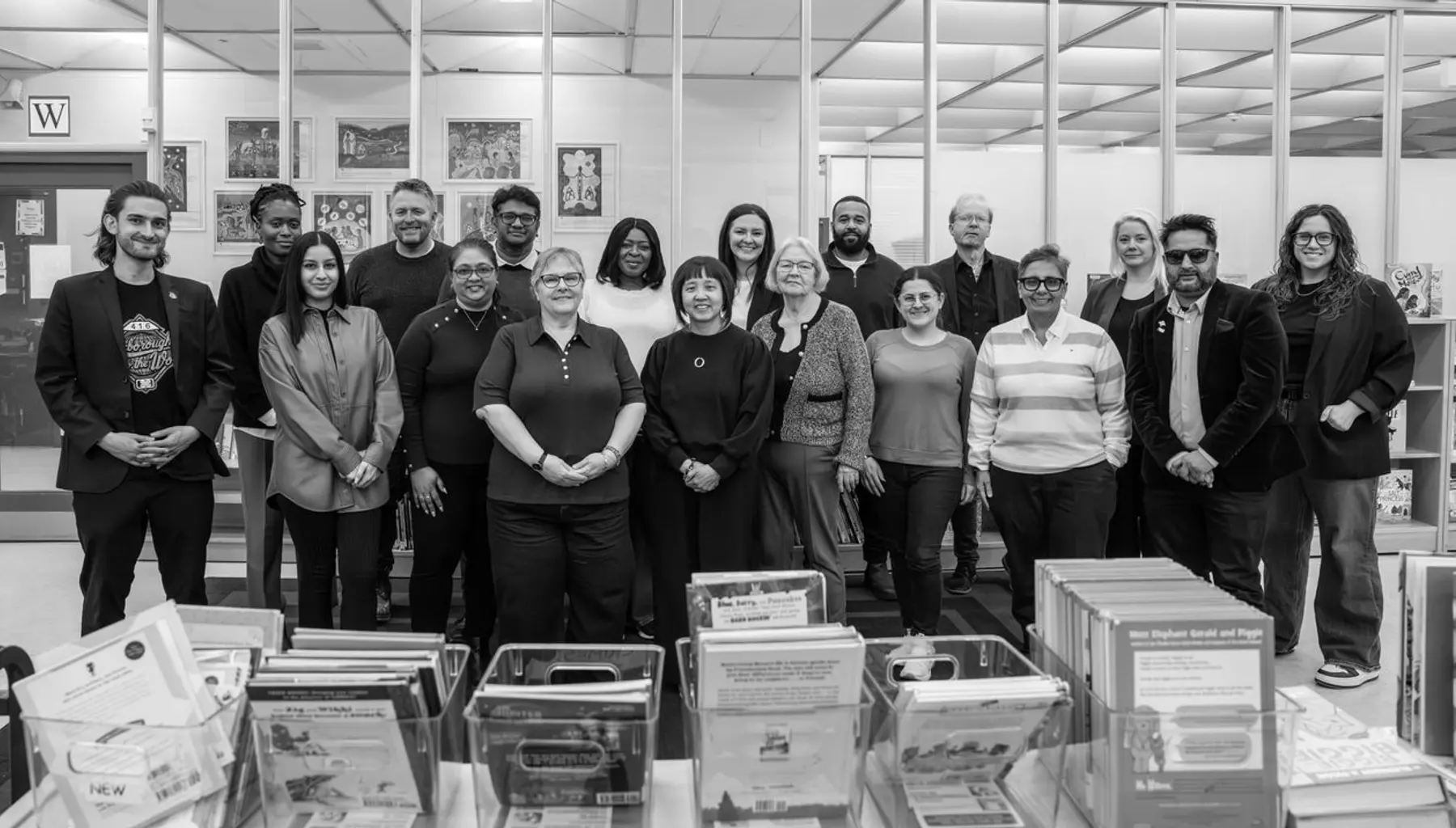
Reflections from our second West Hill roundtable, March 12, 2026
As part of this work, we hosted our second roundtable on March 12, bringing together school leaders and community partners working directly with children and families in West Hill. What stood out wasn't just the strength of each organization individually, but the chance to act as a connected system across early years, school, and out-of-school supports.
Looking ahead, we're continuing to build out this pathway — expanding into local high schools starting with Cedarbrae Collegiate Institute, with plans to also invest in West Hill Collegiate Institute and Sir Wilfrid Laurier Collegiate Institute, while strengthening connections into post-secondary institutions and employment pathways. The goal is to demonstrate what a coordinated, place-based model can look like in West Hill, and use those learnings to expand into additional Neighbourhood Improvement Areas.
It's still early, and we can't yet point to system-level shifts — but the early signals are encouraging. By bringing this group of leaders together, tracking outcomes more intentionally, and building on the strong foundation already in place, we're optimistic that meaningful progress will follow. School leadership across West Hill has been doing important work for years, including targeted supports in math and literacy, with early gains beginning to show.
We're just getting started
As we look to expand into another NIA, we welcome the insight and partnership of local leaders — councillors and community stakeholders who are seeing meaningful change on the ground. If there are individuals or organizations we should know about, we'd value the connection.
Deep dive into our cradle to career strategy in Scarborough
Stage 1: A strong start before school begins
Stage 2: Making school work, and keeping the door to graduation open
Stage 3: Pathways into work that lasts, and households that hold
Our Approach
We take a hyper-local approach because each neighbourhood—and each school—is its own microcosm. From Cataraqui to West Hill, needs differ block by block, and solutions are shaped locally—guided by lived experience and strengthened through roundtables that align leaders around more integrated approaches.
We invest across the full arc of a young person's life, building a chain of support from early childhood, through school and into meaningful employment. We back organizations who understand the challenges, are known and trusted by the people they serve, and have clear evidence that their work is making a real difference.
What We Fund
- Early years and family stabilization programs that give children the foundation to thrive in school
- School-based and after-school programs that drive attendance, academic engagement and credit accumulation, or offer support for post-secondary access
- Employer-connected employment pathways for youth and young mothers, including paid placements, sector-aligned training and entrepreneurship
Organizations that address upstream challenges like food security, housing stability, disability navigation that could make or break other interventions - Non-profits, charities and for-profits at any stage, using place-based approaches that understand how supports need to work together across a young person’s life
What We Don't Fund
- Infrastructure, capital campaigns or one-time events without a clear program tie
- Programs without a place-based connection to Scarborough or the communities we focus on
- Work without a credible plan for measuring outcomes and learning from results

 Scarborough
 Scarborough
 Scarborough